Fall Prevention Week 2025
As we observe Fall Prevention Week 2025, we renew focus on one of the greatest global public health issues recognized by the Centers for Disease Control (CDC) and the World Health Organization (WHO). Falls are preventable through awareness, training and education, safety measures, physical activity, identification of sensory and motor deficits, and targeted rehabilitation and training. Balance remains so vital that many now consider it the “fifth vital sign” (alongside heart rate, respiratory rate, temperature, and blood pressure) throughout life. Tools like Bertec’s Computerized Dynamic Posturography (CDP) system help clinicians evaluate the sensory and motor systems that underpin balance, making it possible to design targeted interventions that directly address fall risk. Bertec is committing significant attention and resources toward solving this global issue. Bertec is committing significant attention and resources toward solving this global issue.
The Scope of the Fall Crisis: Why Awareness Matters
Slips, trips, and falls by the numbers (2025)
More than 14 million U.S. adults age 65 or older – about 1 in 4 – report a fall each year.
Around 9 million of these falls result in injuries serious enough to require medical treatment or to limit daily activity.
Each year, there are about 3 million emergency department visits and 1 million hospitalizations due to falls among older adults.
The unintentional fall death rate in 2023 for adults age 65+ reached 69.9 per 100,000 population, with the highest rates in adults 85+.
Nationally, an older adult dies every hour from a fall-related injury.
Aging, Independence, and Quality of Life
Falls remain the leading cause of injury-related death and the primary reason older adults lose independent living. In fact, over 1 in 4 older adults fall each year, and less than half ever tell their doctor.
A simple self-check can make a big difference:
Are you worried about falling?
Do you feel unsteady when standing or walking?
Have you fallen in the past year?
If the answer is yes, it’s time to talk to a provider about prevention. Start with the CDC’s Self-Assessment for Fall Risk to guide the conversation.
The Hidden Costs of Falls in the Workplace
Slips, trips, and falls aren’t just a health issue, they are also a major workforce and economic concern.
According to OSHA’s 2024 data, slips, trips, and falls are the #1 cause of same-level workplace injuries in the U.S.
Construction and manufacturing see the highest rates of fall-related fatalities, while education and health services report the highest overall number of injuries.
Same-level slips and trips are especially common, accounting for nearly one-third of all workplace injuries requiring time away from work.
Preventing falls in professional settings doesn’t just protect people, it preserves productivity and reduces costs.
Why Traditional Balance Training Isn’t Enough
Most exercise programs focus on voluntary balance: standing on one leg, holding a yoga pose, or practicing stability drills. But when it comes to real-life falls, the body doesn’t have time to think. Slips and trips trigger automatic, reflexive reactions that can’t be consciously controlled.
This is why prevention programs need to go beyond static balance training. Reflexive practice, sensory integration, and real-world simulation are key to building safer, more confident movement.
Building a Safer Future Together
Fall prevention requires a team approach: health care providers, families, employers, and communities all play a role. With assessment, education, and the right training, fall risk can be reduced across the lifespan.
At Bertec, we’re committed to advancing this mission through:
Functional balance testing
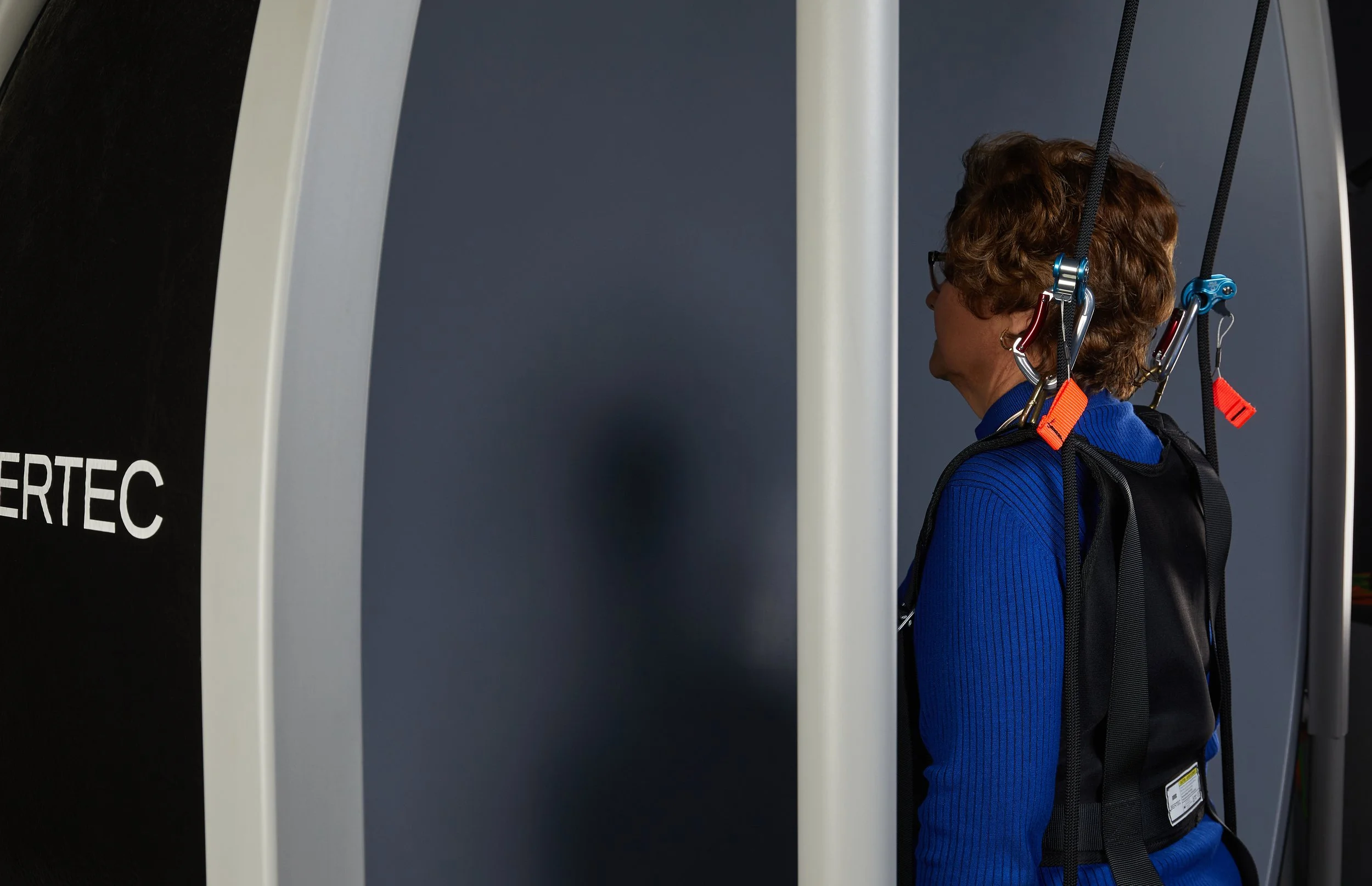
Computerized Dynamic Posturography (CDP) to evaluate sensory contributions to balance
Vision and gaze stability assessment
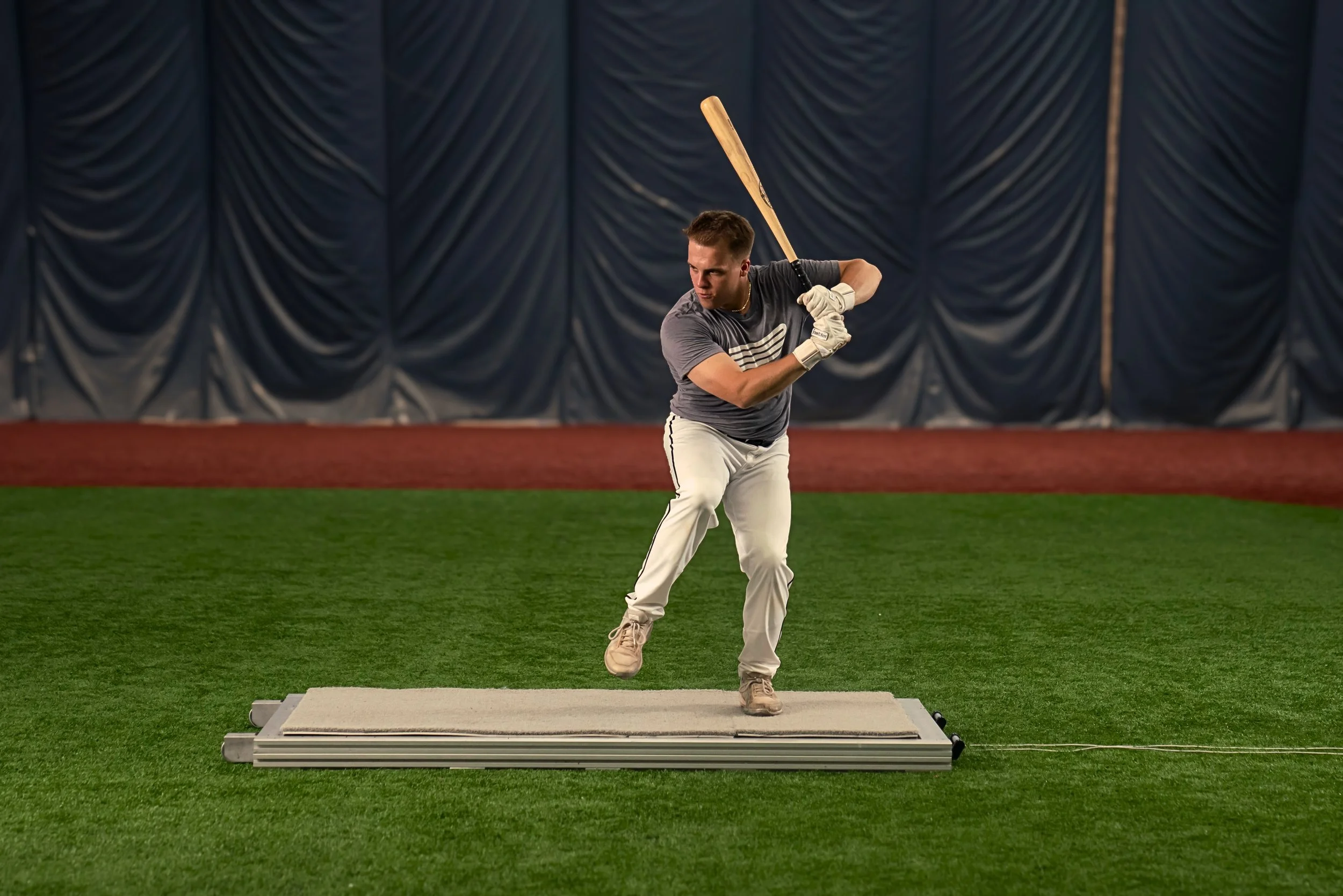
Perturbation training to strengthen automatic recovery responses
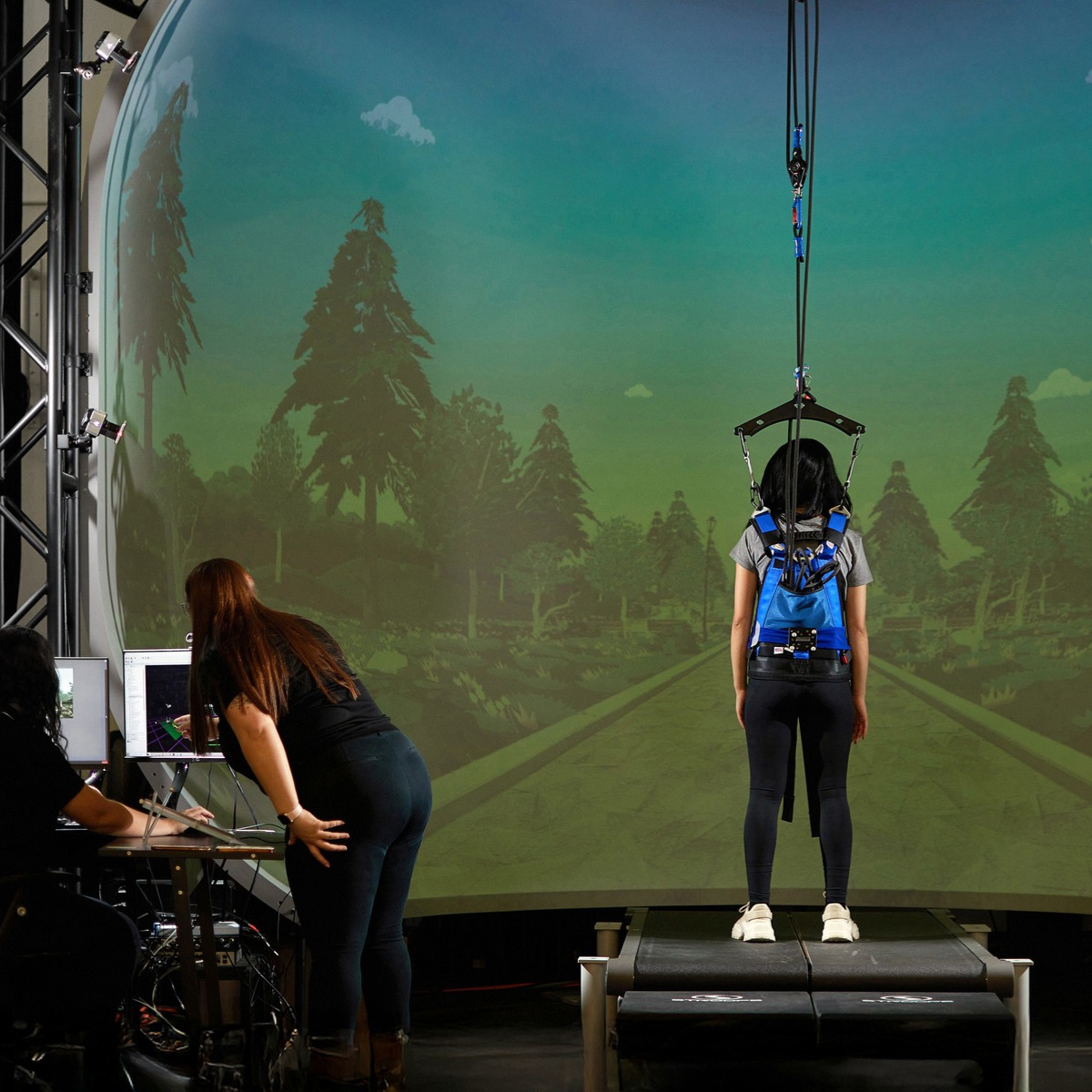
Virtual reality–based rehabilitation
Vision training to improve stability and reduce fall risk
Together, through awareness and innovation, we can help reduce the burden of slips, trips, and falls for older adults, workers, and communities worldwide.